Tuesday, September 26, 2017

Date: September 26, 2017
Topic: Introduction to Properties of Matter
Objective: Identify substances using their properties
Home Learning: Students will complete a vocabulary foldable and study for vocab test (Intro the Matter and States of Matter terms)


Students will create a Vocabulary Foldable for the following terms:
  • Solubility- the ability of a substance to dissolve another one
  • Solute- the substance that gets dissolved
  • Solvent- the substance that does the dissolving
  • Solution- a mixture of a solute and solvent; uniformed throughout
  • Saturation Point- stage in which no more substance can be dissolved
  • Thermal Conductivity- the rate at which a substance transfers heat
  • Electrical Conductivity- is a measure of how well an electric current can move through a sunstance
  • Melting Point- when a substance is at a temperature at which it changes from a solid to a liquid
  • Boiling Point- the teperature at which a liquid turns into a vapor
  • Magnetism- when substances attract each other through a magnetic force

The foldable will include the term on the outside, define the term in the inside flap, and illustrate an example on the base of the paper.


Monday, September 25, 2017

Date: 9/25/2017
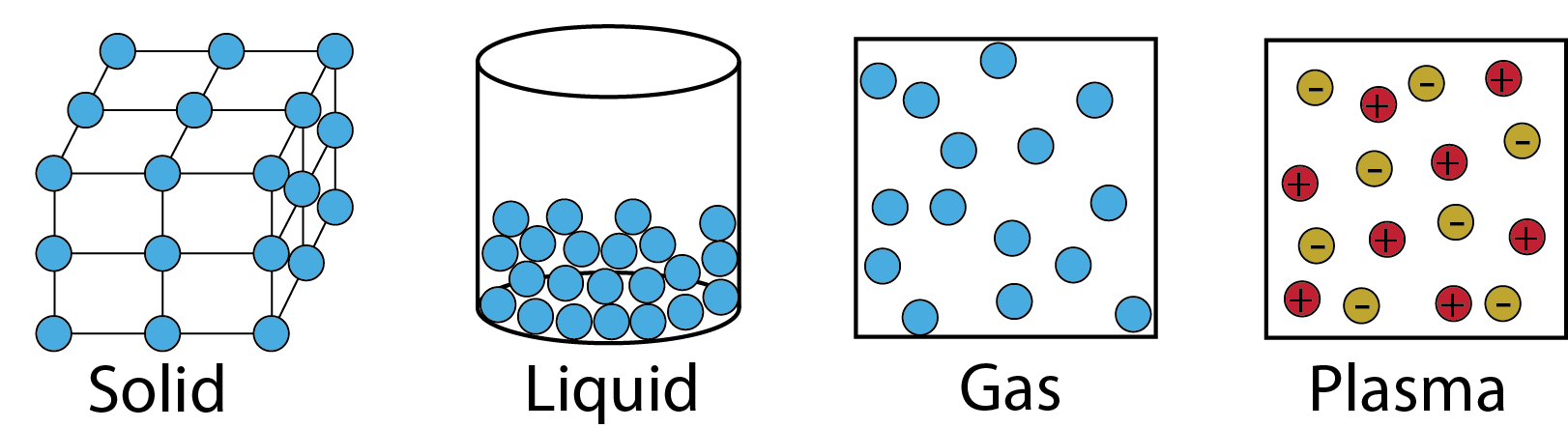
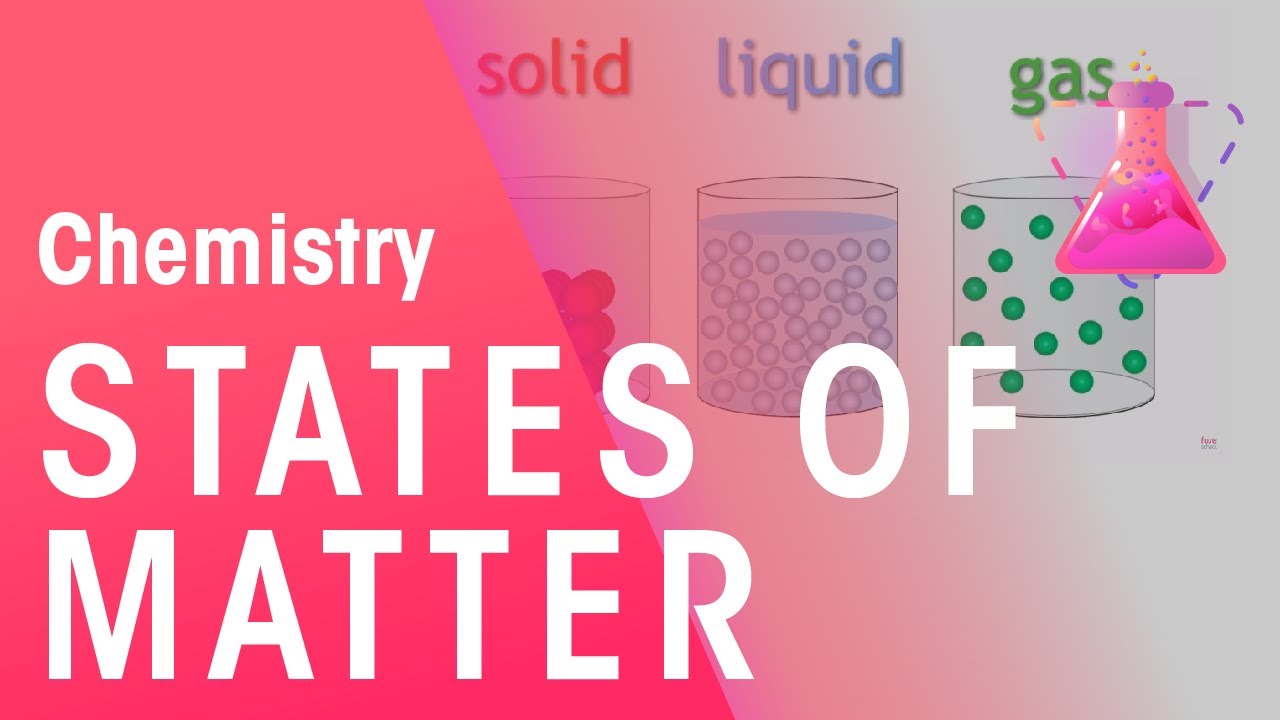
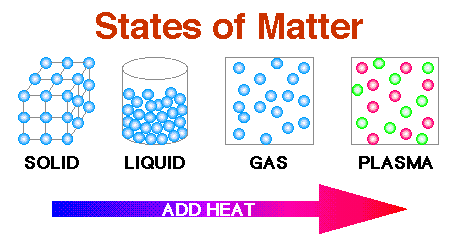
Topic: States of Matter
Home Learning: Study for Test (Unit Test(9/27/17) (Vocabulary Quiz (9/27/17)


Student Work Period:

·         Students will:
v  Complete an Edpuzzle video on States of Matter (STATION 1)
Watch and discuss a States of Matter YouTube video (STATION 2)
v Collaborate on States of Matter card sort activities (STATION 3)
v  Data chat on Baseline and current performance (STATION 4)
v  Students will complete a check point on States of Matter 


ANCHOR CHART 1


ANCHOR CHART 2

Image result for states of matter images


ANCHOR CHART 3
Image result for states of matter images


ANCHOR CHART 4
             
Image result for states of matter images

Thursday, September 21, 2017

Date: 9/22/2017
Topic: States of Matter
Home Learning: Study for Test (Unit Test(9/26/17) (Vocabulary Quiz (9/28/17)


Student Work Period:

·         Students will:
v  Complete an Edpuzzle video on States of Matter (STATION 1)
v  Collaborate on States of Matter card sort activities (STATION 2)
v  Data chat on Baseline and current performance (STATION 3)

v  Students will complete a check point on States of Matter 


ANCHOR CHART 1


ANCHOR CHART 2

Image result for states of matter images


ANCHOR CHART 3
Image result for states of matter images


ANCHOR CHART 4
             
Image result for states of matter images

Monday, September 18, 2017

8th Grade

Date; September 18, 2017
Topic: Acid, Bases, and Salts
Home Learning: Study for vocabulary quiz


Acids, Bases, and Salts Vocabulary

  • Compound- composed of two or more elements (mixture)
  • Base(Alkaline)- substance with a pH of 8-14
  • pH Scale- Measures how acidic or basic a substance is
  • Acid- substance with a pH of 0-6
  • Neutral- Substance that does not have a positive nor negative charge
  • Salts- combination of acids and bases

Acid and Base Notes

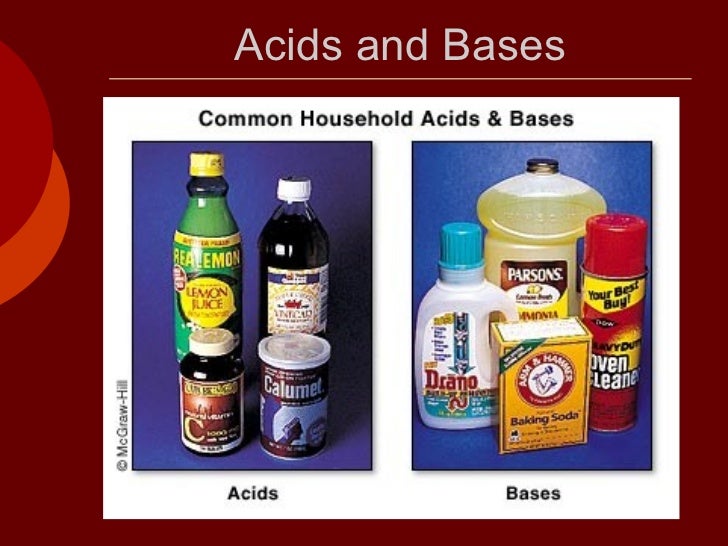
Properties of Acids and Bases <ul><li>Acids  </li></ul><ul><ul><li>turn blue litmus red  </li></ul></ul><ul><ul><li>taste ...


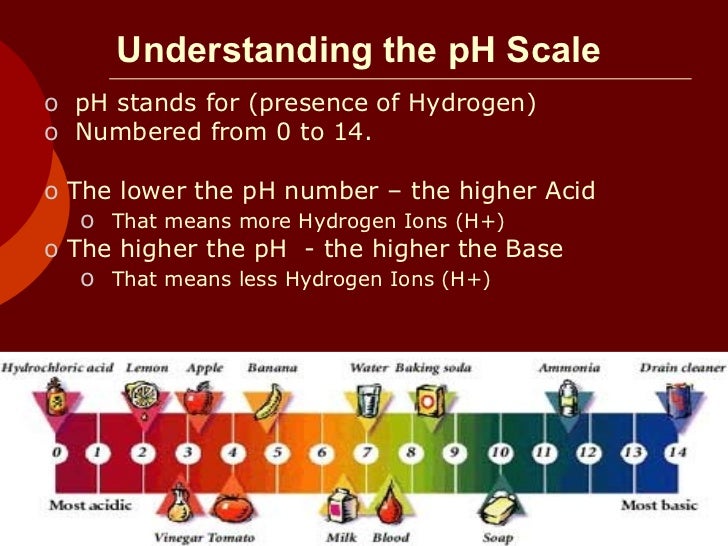
Understanding the pH Scale <ul><ul><li>pH stands for (presence of Hydrogen) </li></ul></ul><ul><ul><li>Numbered from 0 to ...


Acids and Bases


8th grade fourth block

Thursday, September 7, 2017

6th Grade

Date: September 7, 2017
Topic: Cell Theory and Homeostasis
Home Learning: Study for vocabulary Quiz


Cell Theory and Homeostasis Vocabulary

  • Cell- basic unit of life or basic unit of structure and function
  • Cell Theory- all living things are composed of cells, cell are the basic unit of structure and function, and all cells come from pre-existing cells
  • Single Cell (unicellular) – made up of only one cell
  • Multicellular- made up of more than one cell or many cells
  • Prokaryote- one celled organism that does not have a nucleus or organelles
  • Eukaryote- organism made up of cells that have organelles and a nucleus
  • Organism- a living thing
  • Homeostasis- Stable internal balance
  • Photosynthesis-chemical process by which plants make food
  • Scientific Law- statements that describes how something in the universe acts


8th Grade

Date; September 7, 2017
Topic: Acid, Bases, and Salts
Home Learning: Study for vocabulary quiz


Acids, Bases, and Salts Vocabulary

  • Compound- composed of two or more elements (mixture)
  • Base(Alkaline)- substance with a pH of 8-14
  • pH Scale- Measures how acidic or basic a substance is
  • Acid- substance with a pH of 0-6
  • Neutral- Substance that does not have a positive nor negative charge
  • Salts- combination of acids and bases

Acid and Base Notes

Properties of Acids and Bases <ul><li>Acids  </li></ul><ul><ul><li>turn blue litmus red  </li></ul></ul><ul><ul><li>taste ...


Understanding the pH Scale <ul><ul><li>pH stands for (presence of Hydrogen) </li></ul></ul><ul><ul><li>Numbered from 0 to ...


Acids and Bases

Tuesday, August 29, 2017

Date: 08/30/2017 and 9/1/2017
Topic: Mixtures and Solutions
Objective: Distinguish between Mixtures and Solutions. Give and describe examples of both concepts.


MIXTURE AND SOLUTIONS GUIDED NOTE ANSWERS

Elements:

  • atom
  • cannot
  • Periodic Table
Compounds:
  • atoms
  • chemically
  • cannot
Mixtures:
  • elements or compounds
  • homogeneous
  • heterogeneous

Mixture, Solutions, and Pure Substances Vocabulary 


(Students will create a Vocabulary Foldable for each term). Students will use the following article to define the vocab terms.


  • Heterogeneous Mixture-Mixture does not have uniformed composition
  • Homogeneous Mixture-Mixture does have uniformed composition
  • Mixture-combination of two or more substances that have not combined chemically
  • Pure Substance- has a definite and constant composition,
  • Solution-Mixture in which the molecules of one substance is dissolved in another substance
  • Suspension-Mixture in which particles are large enough to settle out.
  • Element-Different kinds of atoms
  • Compound-Matter made up of two or more elements
  • Solvent- substance in which dissolves
  • Solute- subatance that gets dissolves


Mixtures and Solution On-line Activities


Solute substance that gets dissolved, Solvent Substance that dissolves , and Solution result of combining a solute and solvent.

Solutions and Mixtures:


AA

Thursday, August 24, 2017

DATE: 8/25/2017
TOPIC: Scientific Investigations
HOME LEARNING:Students will complete vocab foldable, study for vocab quiz (8/31/2017), and get parent log signed.


CLASS ASSIGNMENTS

v  Discuss week one vocabulary results
v  Use CONPPT to cite several examples of knowledge that is based on science.
v  Give examples of claims that are not based on science and provide evidence to support their claims
v  Identify tested/independent variables and outcome/dependent variables
v  Complete a check point on What is science? (YOU DO)


Vocabulary
Empirical Evidence- Evidence based on observation or experiments
Quantitative Data- can be measured or counted (example numbers)
Qualitative Data- describes something (examples: color/ smell)
Replication- The reproduction of a scientific investigation by another person to ensure it is correct
Repetition- Making multiple sets of measurements or observations in scientific investigations
Trial- Multiple sets of measurements or observations in a scientific investigation
Control Group- Group that is not affected by the factor being tested
Tested Group- the group to which the variable is given
Consistent- done in a certain way over time
Predictable-  what one thinks will happen under certain conditions based on data or observations

Date: December 12/17/2019 Topic:  Weathering, Erosion, and the Rock Cycle Objective:  Identify examples of of suface processes that af...